
Lightning and Storms at Sea: How to Protect Your Electrical System and Equipment
Updated: Feb 2

Navigating during approaching storms carries real risks for your boat’s electrical system and sensitive equipment. Lightning strikes generate surges that can irreparably damage batteries, inverters, navigation electronics, and communication systems.
Based on my 30 years of experience, the main critical points are:
Insufficient or improper grounding connections:Every metal component and every circuit on board must have a centralized and secure grounding connection. Disconnected or improperly distributed grounds increase the risk of lightning damage and parasitic currents.
Surge protection:It is essential to install protective devices such as varistors or SPD (Surge Protection Devices) on main inputs, between batteries and inverters, and on sensitive circuits such as electronic instruments and communication systems.
Lightning rods and surge arresters:A properly installed lightning rod connected to a dedicated grounding conductor reduces the likelihood that lightning current will pass through the electrical system. The grounding conductor must be correctly sized (minimum recommended cross-section ≥16 mm² copper) and continuous.
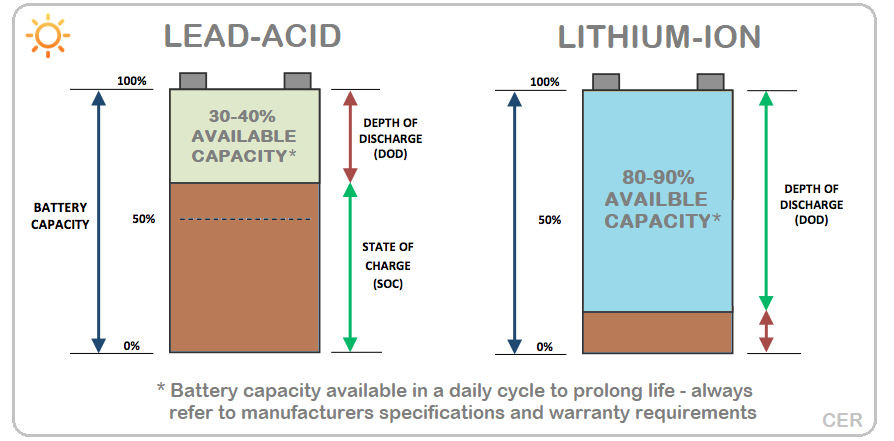
Batteries and accumulators:Lithium or lead batteries must be protected with appropriately rated fuses and connected to distribution bars using short, robust connections. Surges and current spikes can cause irreversible damage.
Sensitive electronics:GPS units, autopilots, multifunction instruments, and radios should pass through dedicated surge protection devices. The use of EMI/RFI filters helps prevent malfunctions caused by interference generated by atmospheric discharges.
Conclusion:Even a small imperfection in the electrical system increases the risk during storms and lightning. A complete professional inspection of connections, protections, and circuit insulation is the only way to ensure safety and reliability.
Do not improvise: your boat and peace of mind deserve an expert’s intervention.


Comments